Bathrooms and laundries
Treatment reaches the caulk lines, silicon seals, and ceiling paint where mould re-establishes weeks after visible clean-off.
Mould is a coastal certainty in Queensland — bathrooms, cupboards, ceilings, wall cavities, cool rooms. UV-C reaches the spores and vegetative growth that surface wipes leave behind, without adding more moisture, chemicals or fragrance to the space.
Standard mould treatment relies on bleach and vinegar to kill visible surface growth. Both work — on what's visible. But mould spores penetrate porous materials and colonise cavities out of reach of a spray bottle. UV-C treats the airborne spore load and the surfaces around the visible growth, dramatically reducing the reservoir that re-infects freshly cleaned areas within weeks. It's not a replacement for a proper mould inspection and structural repair — it's the disinfection layer that makes the rest of the work last longer.
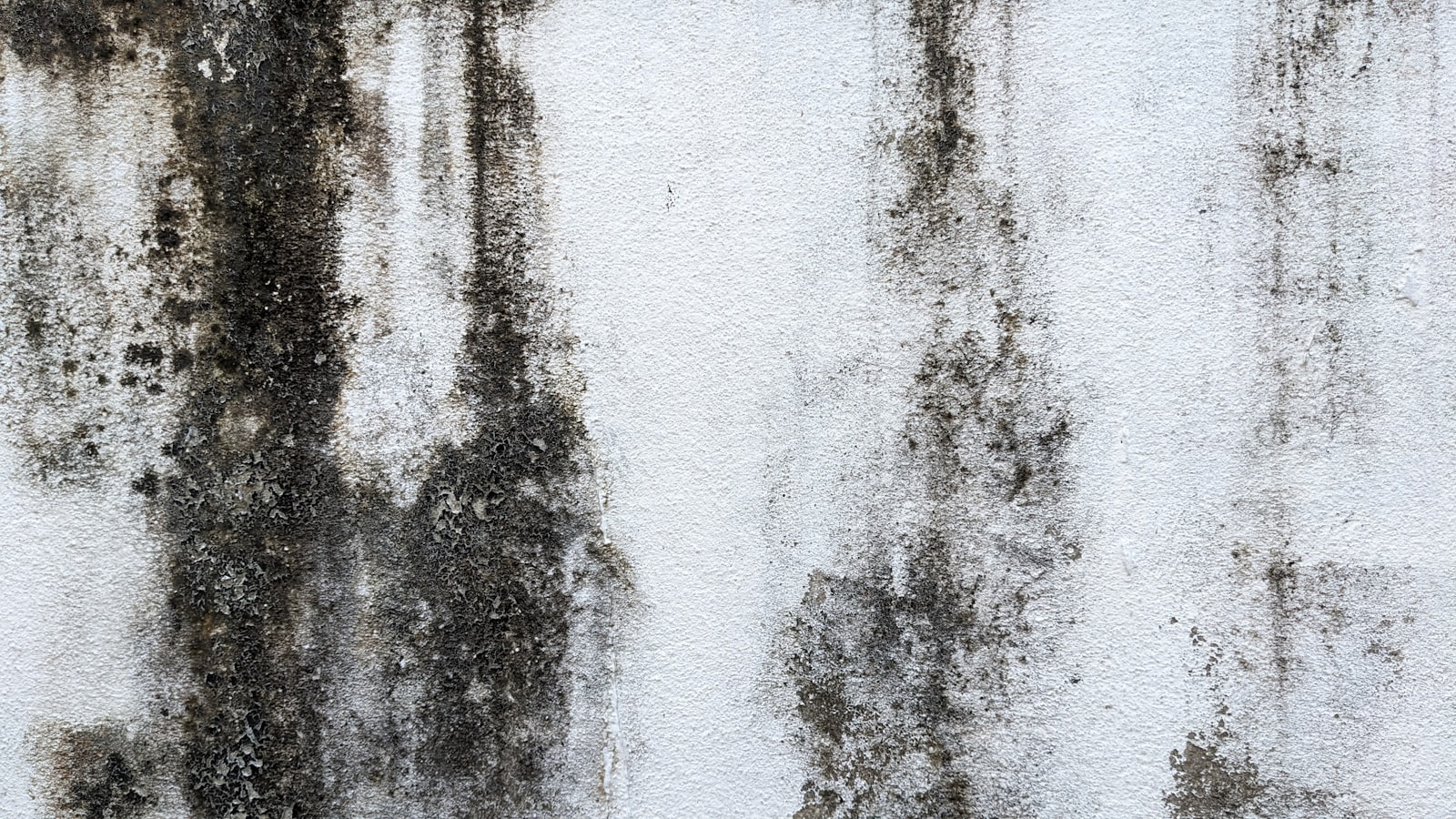
Common household mould linked to respiratory illness, allergy, and immune-compromised infection.
Structural water-damage growth that produces mycotoxins even after visible removal.
Bathroom, laundry, and window-frame mould — heavy allergen and asthma trigger.
Wipe-treatment doesn't touch the spore concentration in the air of an affected room.
Treatment reaches the caulk lines, silicon seals, and ceiling paint where mould re-establishes weeks after visible clean-off.
Structural drying leaves damp material behind for weeks. UV-C treats spore reservoirs before they re-colonise dried areas.
Constant condensation drives mould on ceilings and behind shelving. Fast between-restock UV-C treatment resets the microbial load.
Before periodic inspections or end-of-lease, UV-C treatment complements visible clean-off with airborne spore reduction.
UV-C is a disinfection layer, not a moisture control solution. If the underlying cause — a leaking roof, poor ventilation, subfloor damp, a broken seal — isn't addressed, mould returns. We're clear about that up front. Our treatment reduces the pathogen load so the visible cleaning holds longer, and we'll refer you to inspection and remediation specialists when the situation calls for it. Some clients bring us in alongside professional remediation; some use us for the periodic maintenance treatment between remediation and problem-recurrence.
No — UV-C deactivates mould spores and vegetative growth, but doesn't remove the discolouration on painted or porous surfaces. We work alongside standard cleaning: mechanical removal handles the appearance, UV-C handles the microbial load.
It's complementary, not competing. Full remediation involves moisture-source repair, removal of unsalvageable materials, and encapsulation. UV-C is the disinfection step within that — or a maintenance layer to slow re-establishment between remediation and problem recurrence.
Directly, no — UV-C is a line-of-sight treatment. What we can do is treat the surface materials, reduce airborne spore load in the room, and treat cavities during a repair when the wall is open and accessible.
Depends on the underlying moisture situation. For a mould-prone bathroom, monthly treatment holds the load down. For a post-flood recovery, one-off or two-visit treatment during the drying phase is usually enough.
A room is typically 12–15 minutes, and we extend dwell time on the focal zone — the shower recess, the affected ceiling, the cupboard — because dose is intensity multiplied by time. Nothing needs to dry afterwards and there's no airing-out period, so the room is back in use as soon as the unit powers down.