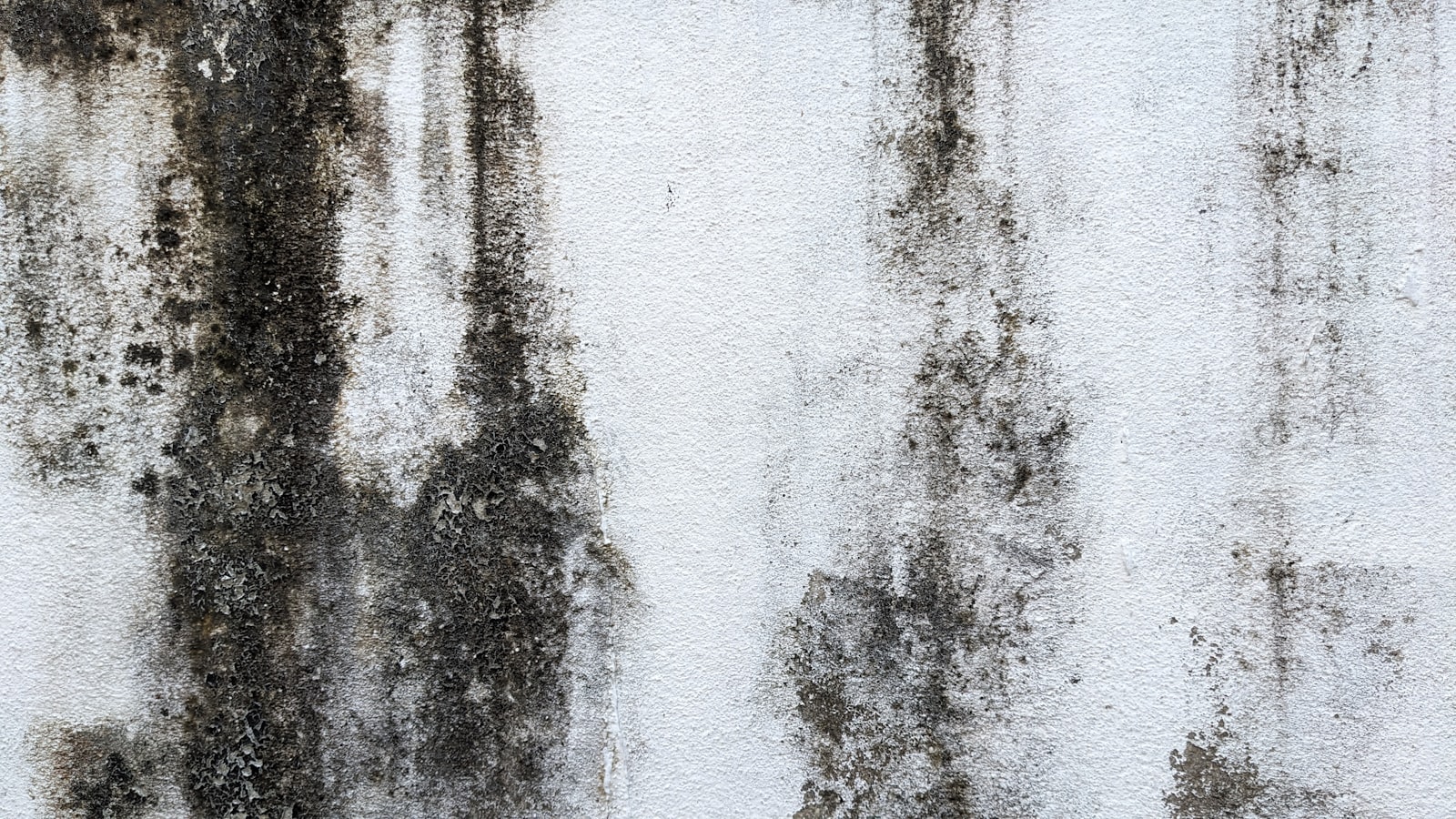
Heat, humidity and storms make Brisbane one of the easiest places in Australia for mould and bacteria to take hold indoors. A UV-C treatment deactivates both on the surfaces it reaches, with no chemicals and no waiting. Book before the peak and start the season with a reset instead of a clean-up.
South-east Queensland summers are warm, humid and wet, with storms that can push water in through roofs, windows and seals. Moisture that gets in is slow to leave, because the air outside is already full of it.
Brisbane's housing stock holds that moisture in different ways. Apartment bathrooms often have no window and rely on an exhaust fan. Older timber homes have built-in cupboards and raised floors with little airflow. Air-conditioned bedrooms collect condensation on vents and cool walls. Rentals can sit closed up between tenancies. All of them are places where mould and bacteria settle quietly until the first black speckles appear.
As a rule of thumb, sustained indoor humidity above about 60% is where mould gets going. The fix starts with moisture control; a UV-C treatment is the disinfection layer that deals with what has already settled.
Windowless ensuites depend on an exhaust fan. If it is weak or off, humidity sits on the ceiling and grout.
Built-in wardrobes and cupboards on external walls stay still and damp through summer.
Cold vents and walls condense moisture, and filters collect dust that feeds growth.
Wet washing indoors during storm weeks pushes humidity up fast.
Closed-up properties between tenancies, or ahead of a routine inspection, often show it first.
Shared bathrooms, change rooms and storage areas that stay damp in humid weather.
UV-C light deactivates mould spores and bacteria on the surfaces it reaches, and reduces the airborne spore load in the room. It is line-of-sight, so it cannot treat inside wall cavities or subfloor spaces we cannot see into, and it will not remove stains. If a leak or poor ventilation is the cause, mould returns, so we tell you what we see and refer you on where the problem is structural. Used properly, it is the step that makes your cleaning and any repair work last longer.
Summer mould is a common reason for tenant complaints and for rental properties failing to present well. A UV-C treatment before a routine inspection or ahead of a new tenancy resets the microbial load without leaving chemicals or odour in the property. Our rental properties page covers the process, and our real estate page covers multi-property work.
For homes and small businesses, many clients choose one treatment before summer and a monthly treatment on the problem bathroom or room until autumn. See mould treatment for the detail, or our Brisbane service area for suburbs covered.
Brisbane bookings are typically available within 24 to 48 hours. For multi-site or recurring work, we schedule visits ahead so each site is covered on a set cadence.
Yes. A room is typically 12 to 15 minutes, with extra dwell time on the problem zone. Tell us how many rooms or units in the booking form and we will quote and schedule them together.
No. If water gets in or the air stays damp, mould will return. A treatment resets the microbial load and makes cleaning last longer, but the moisture source still needs fixing. For a problem bathroom, a monthly treatment holds the load down through summer.
Yes. Rental property inspection prep is a common booking. We treat the affected rooms and provide a treatment log. See our rental properties page for how it fits into a tenancy.