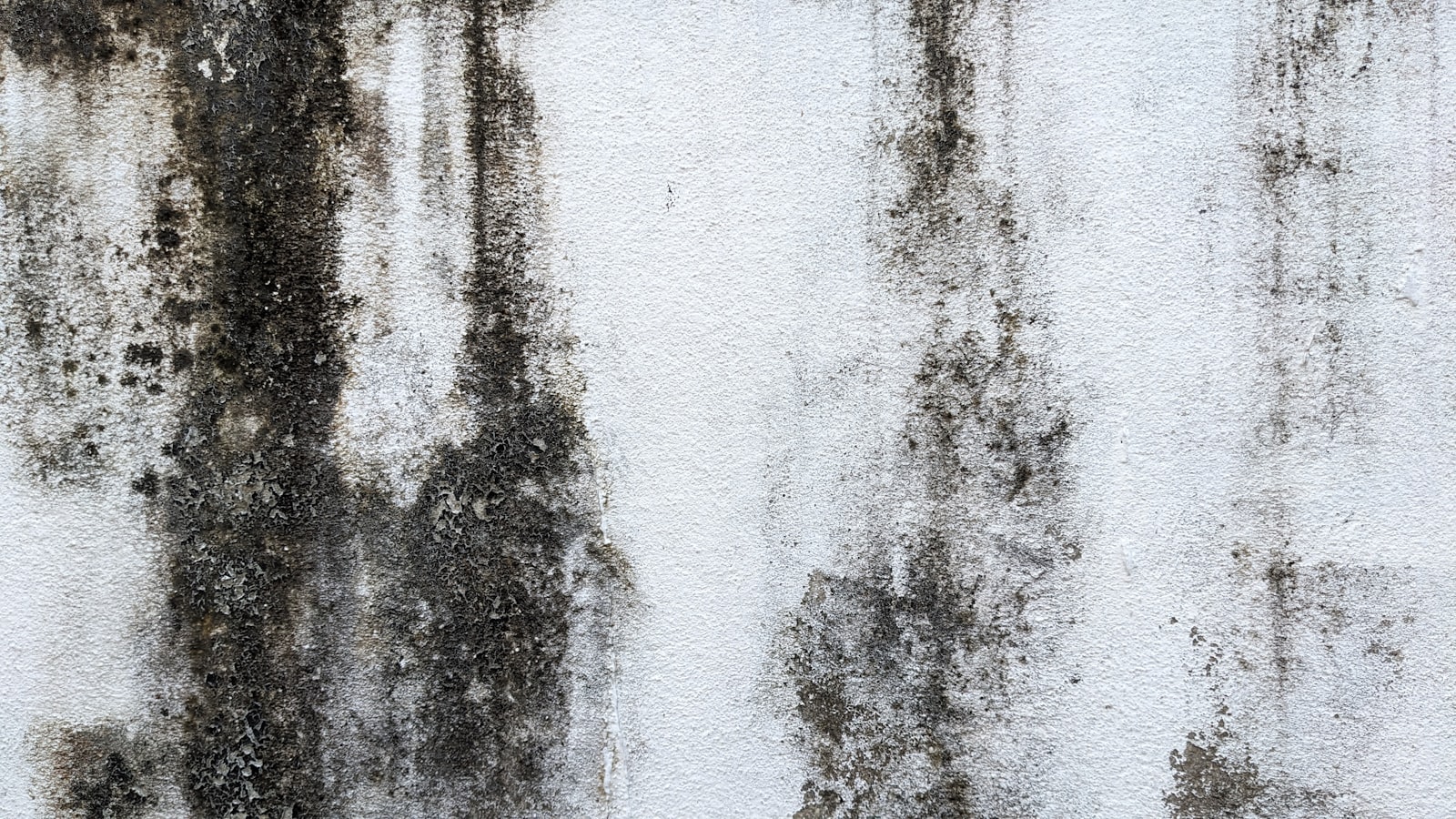
From November the Sunshine Coast turns warm, wet and still. Bathrooms, wardrobes, ceilings and air conditioners hold moisture, and mould and bacteria follow. A UV-C treatment deactivates both on the surfaces it reaches, with no chemicals, no residue and no drying time. It works best booked before the humid weeks, not after the first black spots.
Mould needs three things: moisture, warmth and something to feed on. A Sunshine Coast summer supplies the first two for months. Sea air, afternoon storms and warm nights keep indoor humidity high, and a house that is closed up with the air conditioning running can still sit damp at the surface, because cold vents and cool walls collect condensation in humid weather.
Commonly cited guidance is to keep indoor relative humidity under about 60%. Above that, for days at a time, dormant spores settle and start to grow: on bathroom ceilings, silicone seals, wardrobe walls, window tracks and the backs of furniture pushed against external walls.
The same warm, damp conditions suit bacteria. Shower screens, basin surrounds, bath mats, damp towels and benches that stay wet give them what they need, and a film of soap scum or skin residue gives them something to live on.
Ceiling paint, silicone seals, grout lines and the shower recess. The first place most homes see speckling.
Closed doors and packed shelves trap still, damp air against external walls.
Beds and drawers pushed hard against an outer wall leave no airflow, so the wall stays cold and damp.
Morning condensation pools in the track and feeds growth on the frame and curtains.
Condensation and a dusty filter make vents a common source of musty smell in summer.
Wet washing, damp boxes and poor ventilation in garages and sheds.
UV-C light deactivates mould spores and bacteria on the surfaces it reaches, and reduces the spore load in the air of the room. It is a line-of-sight treatment, so it cannot reach inside walls or behind closed doors, and it will not lift stains. If the moisture source stays, mould comes back, so we tell you what we see and refer you to a builder or remediation specialist where the problem is structural. What a treatment gives you is a reset: a lower microbial load that makes your cleaning last longer.
Booking before the humid weeks catches the problem as spores and a light film, not black growth in the ceiling paint. Nothing needs to dry afterwards and there is no airing-out period, so the room is back in use as soon as the unit powers down.
Many clients choose one whole-home treatment before summer and then a monthly treatment on the bathroom through to autumn, which is the cadence that holds a mould-prone room down. Sunshine Coast bookings are typically same-day or next-day. See our mould treatment page for the full detail, or Sunshine Coast service area for suburbs covered.
Ideally before the humid weeks settle in, in late spring. If you are already seeing a musty smell, speckling on bathroom ceilings or condensation on windows in the morning, book now. Sunshine Coast bookings are typically available same-day or next-day.
No. UV-C deactivates mould spores and vegetative growth but does not remove the discolouration on painted or porous surfaces. Wipe or vacuum visible growth off first, and treat afterwards. See our mould treatment page for how the two steps work together.
Yes. UV-C inactivates bacteria on the surfaces it reaches, including those common on bathroom and kitchen surfaces in humid weather. It does not remove biofilm that has already built up, which needs a physical clean first. Our humid summer bacteria guide explains the order.
Nobody, including pets and plants, can be in the treatment zone during the cycle, because the unit is a 250W industrial source. We run it by remote from outside the room. Once the cycle ends there is no residue and no waiting, and the room can be used straight away.